 Custom Your Spin
Classroom Rewards Wheel
Education
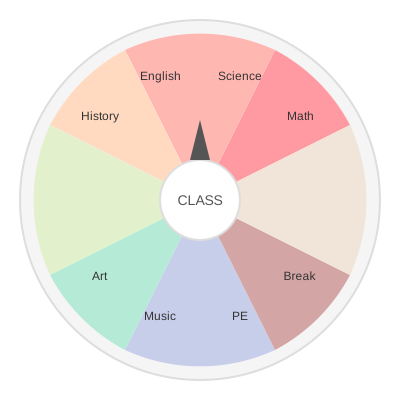
Transform your classroom management approach with a behavior rewards wheel that combines positive reinforcement with an element of excitement and anticipation. This interactive tool allows you to recognize and celebrate students' positive behaviors through a spinning wheel that determines small, meaningful rewards like colorful stickers, extra reading time, line leader privileges, or occasional homework passes. By introducing an element of randomness to the reward process, you create a system that maintains student interest while reinforcing desired behaviors through immediate, tangible recognition that doesn't require significant time or resources to implement.
Effective classroom management specialists emphasize that successful behavior systems must balance predictability with novelty—students need to understand expectations clearly while still experiencing enough variation to maintain engagement. The rewards wheel perfectly addresses this balance by providing a consistent framework (good behavior earns a spin) while introducing an element of surprise in the specific reward received. This combination proves particularly effective for elementary and middle school environments where students are developing self-regulation skills and benefit from external motivation systems that gradually help them internalize positive behavior patterns.
The Psychology of Effective Behavior Reinforcement
Educational psychologists have long recognized that positive reinforcement—providing rewards or recognition for desired behaviors—creates more lasting behavior change than punishment-based approaches. The behavior rewards wheel leverages several key psychological principles that enhance its effectiveness. The variable reward schedule (not knowing exactly which reward will be received) creates stronger behavioral reinforcement than fixed rewards, similar to how slot machines maintain player engagement. This unpredictability activates the brain's dopamine system more effectively than consistent rewards, creating stronger associations between the behavior and the positive feeling of recognition.
Additionally, the public, visual nature of the wheel spin serves as both individual recognition and social reinforcement. When classmates witness a student earning a spin, it creates positive peer pressure and models the connection between specific behaviors and recognition. The brief anticipation period while watching the wheel spin provides a small but meaningful celebration moment that acknowledges effort without disrupting classroom flow. These psychological elements combine to create a behavior management tool that works with students' natural motivation systems rather than against them.
Customizing Your Classroom Rewards Wheel
The most effective behavior wheels reflect the specific needs, interests, and developmental levels of your students. Consider these customization strategies when creating your wheel:
- Age-appropriate rewards: Younger students might value tangible items like stickers or small toys, while older students often prefer privilege-based rewards like choosing a class activity or earning free time. Tailor your wheel segments to match your students' developmental stage and interests.
- Inclusive options: Ensure rewards are accessible and appealing to all students, regardless of ability, background, or personal preferences. Include a mix of social, academic, and privilege-based rewards rather than focusing exclusively on one type.
- Resource-conscious choices: Balance no-cost rewards (line leader, homework pass, teacher's helper) with minimal-cost options (stickers, pencils) to create a sustainable system that doesn't strain classroom budgets or require constant replenishment.
- Seasonal variations: Refresh wheel options periodically to maintain interest, perhaps incorporating seasonal themes or special privileges that align with upcoming class activities or school events.
- Student input: Involve students in suggesting potential rewards, creating ownership of the system and ensuring the options genuinely motivate your specific group of learners.
Implementation Strategies for Maximum Impact
The timing and context of wheel spins significantly impact their effectiveness as behavior reinforcement tools. Consider implementing a multi-tiered approach where students earn spin opportunities through both immediate positive behaviors and accumulated points or tokens. This combination rewards spontaneous good choices while also encouraging consistent effort over time. Some teachers find success with designated "spin times" during natural transition periods, while others prefer immediate reinforcement when catching students demonstrating particularly exemplary behavior.
Clearly communicate the specific behaviors that earn spin opportunities, focusing on positive action statements ("Walking quietly in hallways" rather than "Not running") that tell students what to do rather than what to avoid. Consider creating a visual reminder chart that connects specific behaviors to the reward system, helping students understand exactly what actions might earn them a spin opportunity. This clarity removes ambiguity and helps students internalize behavioral expectations.
For maximum effectiveness, pair the wheel spin with specific verbal recognition that names the precise behavior being rewarded: "Samantha, I noticed how you helped your classmate understand the math problem without giving away the answer. That kind of supportive learning deserves a spin!" This verbal component ensures students connect the reward to the specific action rather than seeing it as random recognition, strengthening the behavior reinforcement effect.
Variations for Different Classroom Needs
While the basic behavior rewards wheel works well in many contexts, creative variations can address specific classroom challenges or learning environments. For classrooms focusing on group cooperation, consider implementing a "class wheel" that activates when the entire group demonstrates target behaviors. This approach builds community responsibility and peer support while reducing competitive elements that might emerge in individual-only systems.
For older students or those transitioning away from external reward systems, create a "mystery reward" wheel where some segments contain immediate small rewards while others contribute points toward a larger class celebration or privilege. This approach begins shifting students toward delayed gratification while maintaining the engaging element of the wheel spin. Some teachers successfully implement "student choice" segments where the rewarded student can choose from several options, building decision-making skills alongside behavior reinforcement.
Virtual and hybrid classrooms can adapt the wheel concept using digital spinning tools shared on screen, with rewards adjusted to work in remote environments (digital badges, choosing the next class activity, or virtual background privileges). This adaptation ensures that behavior reinforcement remains consistent regardless of the learning environment.
Transitioning Toward Intrinsic Motivation
While external reward systems provide valuable scaffolding for developing appropriate behaviors, educational best practices emphasize gradually transitioning students toward intrinsic motivation—doing the right thing because it feels good or aligns with personal values rather than to earn rewards. The behavior wheel can support this developmental progression when implemented thoughtfully.
As students consistently demonstrate target behaviors, gradually reduce the frequency of spin opportunities while increasing verbal recognition that emphasizes how the behavior helps the classroom community or develops important life skills. This shift maintains the celebration of positive choices while beginning to connect behaviors to internal satisfaction rather than external rewards. Eventually, many teachers transition the wheel to special occasions only, having successfully used it to establish behavioral patterns that students now maintain without constant external reinforcement.
By implementing a classroom behavior rewards wheel with these considerations in mind, you create more than just a management tool—you develop a positive classroom culture that celebrates good choices, builds community through shared expectations, and helps students develop the self-regulation skills they'll need throughout their educational journey and beyond.